Studio Stories
Joe Meek Was Doing It Wrong on Purpose, Thirty Years Early


A record went to number one in America at the end of 1962 with a keyboard that sounds broken, hiss you can hear from the next room, and an opening noise nobody has ever properly explained. It was cut in a rented flat above a leather goods shop on the Holloway Road in north London, by a man who could not play an instrument, could not read music, and could not sing his melodies in tune.
Robert George Meek, Joe to everyone, was born in Newent, Gloucestershire, on 5 April 1929. He worked on radar in the RAF, then for the Midlands Electricity Board, then talked his way into a London studio. He came to records through electronics rather than music, and every odd thing about his work follows from that.
He belongs on a plugin company's blog for a narrow reason. Almost every processing decision that got him called an amateur is now something people pay for on purpose.
The engineer who kept spoiling the take
Meek got himself into IBC Studios in London in the mid-fifties and ended up working for Denis Preston, who had the jazz and calypso end of the British business more or less to himself. On 20 April 1956 they recorded Humphrey Lyttelton's band playing a fast twelve-bar called "Bad Penny Blues". Johnny Parker's boogie piano was supposed to sit in the balance with everything else in the room. Meek compressed it harder than the convention of the day allowed, brought the brushed drums up with it, and pushed the pair of them to the front of the record. Lyttelton was not pleased, and said so.
It went into the Top Twenty and stayed six weeks, the first British jazz record to manage that. The whole argument of his career is already there in one session. Engineering in 1956 meant capturing a balance that existed in the room before you switched anything on. Meek used the desk to build a balance that had never existed, on a musician who had not asked him to.
He moved to Lansdowne, Preston's new room, as chief engineer, and left when the friction got too much for both of them. In January 1960 he started a label, Triumph, with William Barrington-Coupe, and got "Angela Jones" by Michael Cox into the Top Ten before the money ran out. That failure was the useful part. No sensible studio was going to have him on staff, so he stopped trying to be on anyone's staff.
Three floors above a leather goods shop
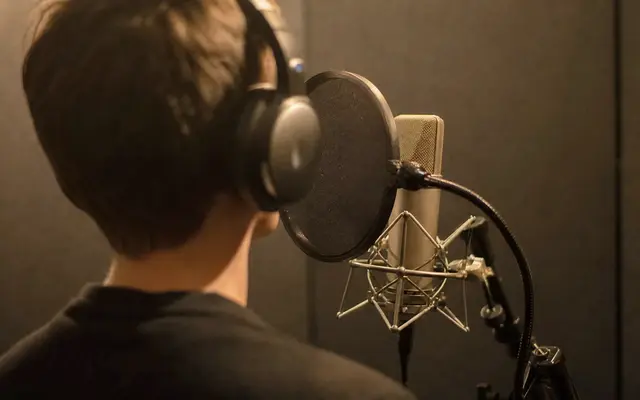
At the start of the sixties he took the flat at 304 Holloway Road and turned all of it into a studio. There was no live room, because there was no room that was live. There was a living room, a bathroom, a landing and a staircase. So the drummer played in one room, guitarists sat on the stairs, and singers went into the bathroom, where the tiles did what tiles do. Cables ran under doors and down the steps. Nothing in the building had been built for any of it, and none of it had been signed off by anybody. Meek worked in a different room from the band and shouted at them through the wall.
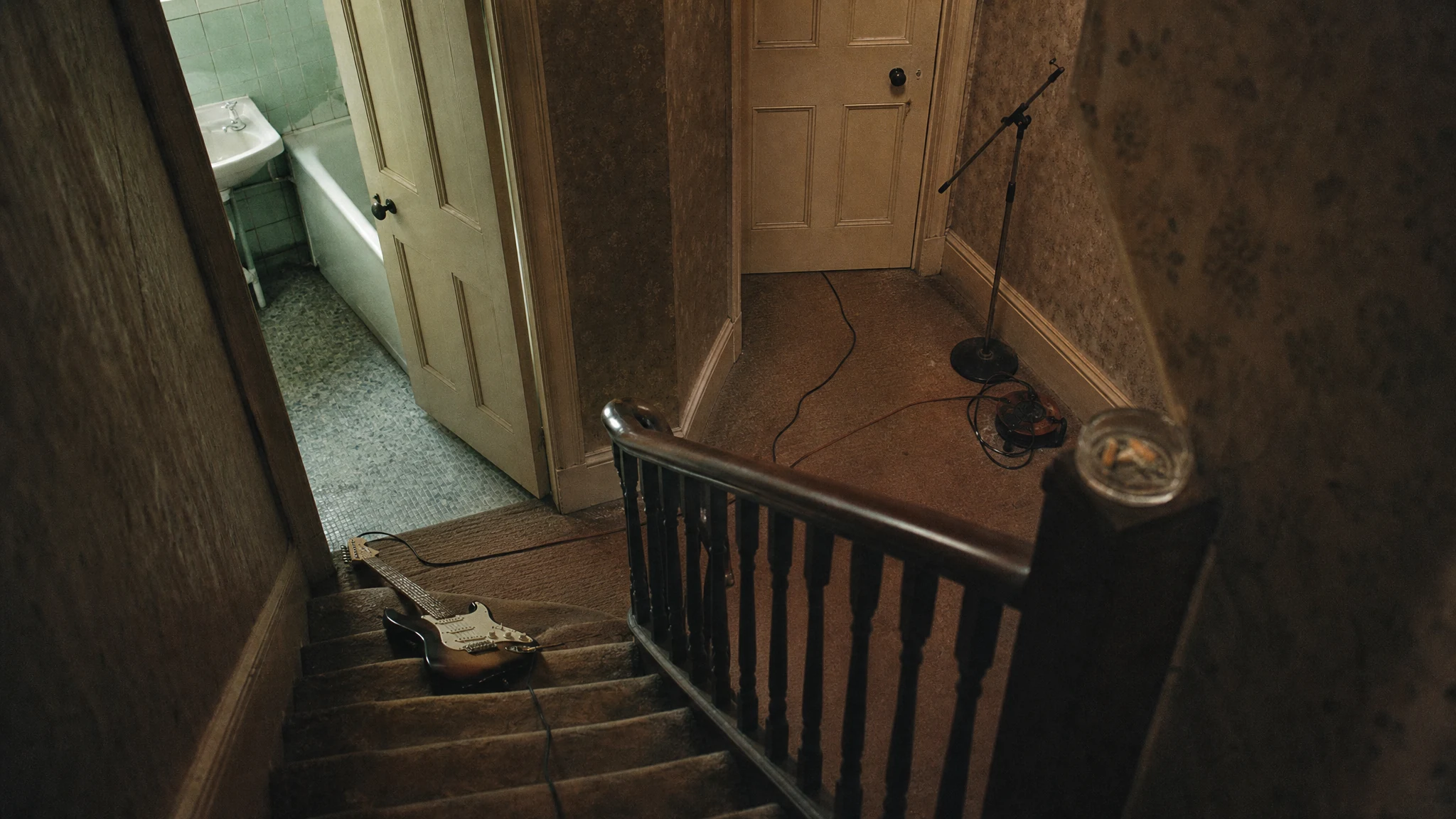
The gear ranged from professional to home-made and changed constantly. A modified Lyrec twin-track was the main machine, an EMI TR51 took the dubs, a Neumann U 47 did much of the close work. The reverb was a spring unit he had built himself and kept in a box he did not invite anyone to open. He described a converted room upstairs as an echo chamber, which people who were actually there have argued about ever since.
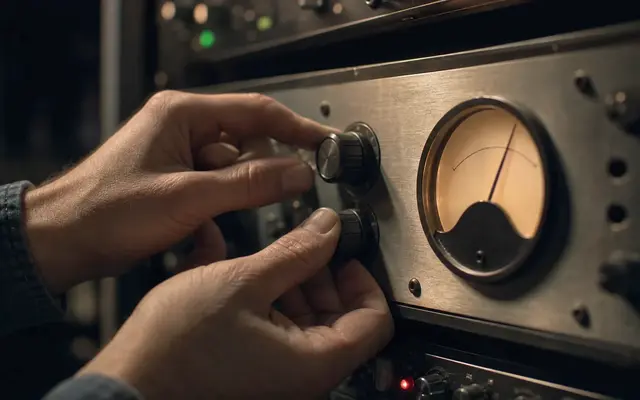
The part that matters technically is the bouncing. Two machines, no multitrack. He would play the rhythm track off one, mix it live against the vocal being sung in front of him, and record the sum of it to the other, taking one generation of loss where a more careful man would have taken two. Every pass added hiss, compression, a little distortion and a lot of the thickening a tape stage gives you whether you asked for it or not. That is the same effect sold today as tape saturation, and it is the same reason a spring reverb still sounds like 1962 no matter what you put through it.
He had shown what he would do with a room of his own before he had one. "I Hear a New World", recorded in 1959 at Lansdowne and in his flat in Holland Park, was assembled from bubbles blown through a straw, a sink draining, milk bottles struck with spoons and a shorted-out electrical circuit. Around ninety-nine copies of the EP went out in 1960. The complete album waited until 1991 for a proper release.
Telstar, and a tune he could not play
The Telstar satellite went up in July 1962. Meek wrote a tune about it almost at once and recorded it at Holloway Road that same month with the Tornados, a band otherwise employed backing Billy Fury on tour. Geoff Goddard played the clavioline, a small valve keyboard that sounds like a violin being electrocuted. Meek's own contribution to the melody was to howl it at people until somebody worked out the notes and wrote them down. That is not a joke at his expense. It is how all of his tunes got written.
Decca released it on 17 August 1962. Five weeks at number one in Britain, twenty-five weeks on the chart, and then number one on the American Hot 100 in December, the first record by a British group to get there. That is more than a year ahead of the British groups everyone actually remembers. Estimates put it past five million copies worldwide.
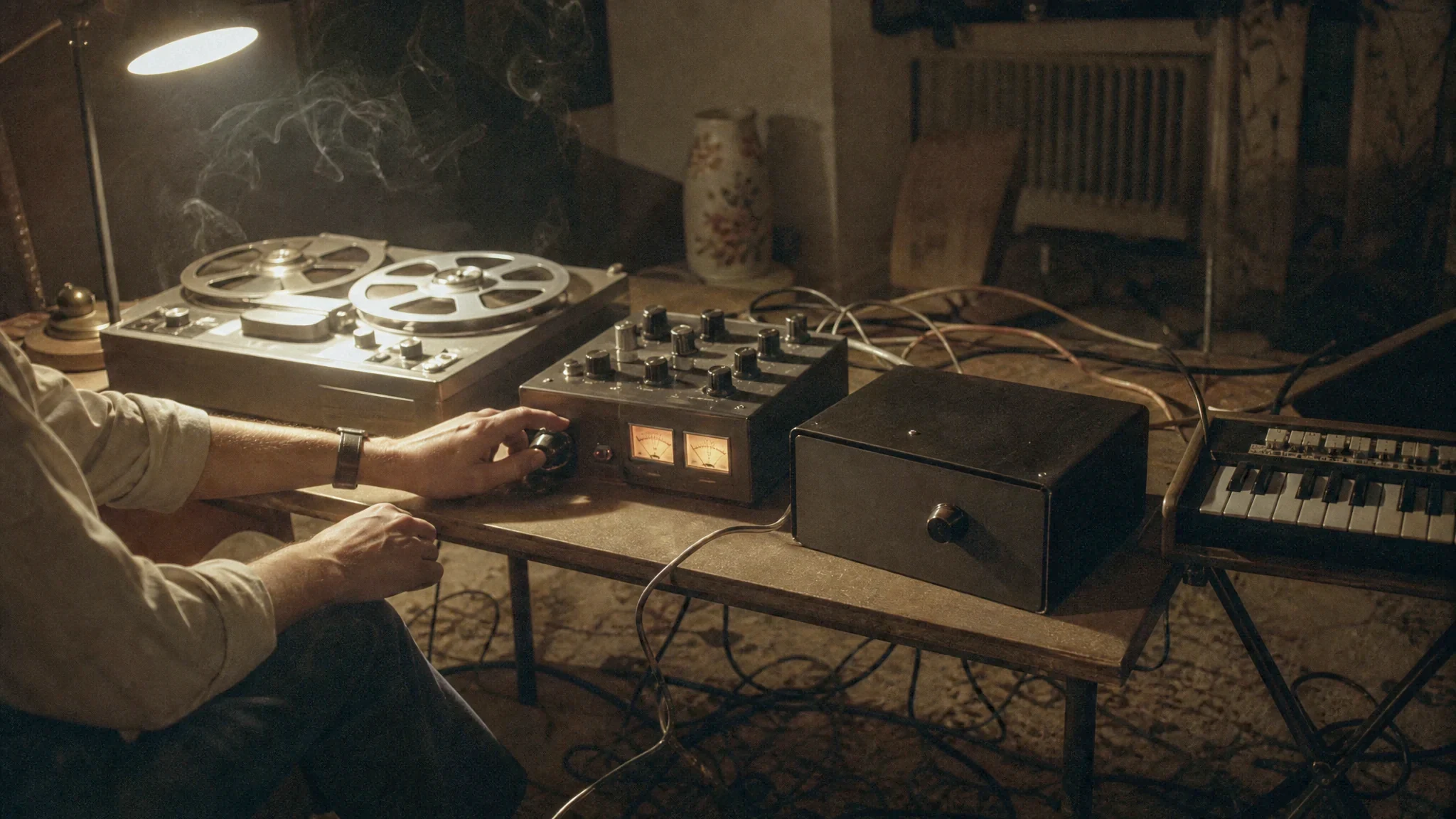
Now listen to what is on the record. The keyboard is distorted. The whole thing is squashed flat. The noise at the top has been described as a rocket, as a lavatory flushing and as tape run backwards, and the accounts contradict each other. None of it is a mistake. He could not have written the tune out on paper, and he knew exactly what he wanted the noise to do.
The lesson in it is dull and encouraging at the same time. A facility smaller than most spare bedrooms beat every properly built studio in the country on the American chart, and it won by sounding nothing like them.
What that way of working cost him
In March 1963 a French composer, Jean Ledrut, sued, claiming "Telstar" was lifted from "La Marche d'Austerlitz", his music for the 1960 film Austerlitz. The film had not been shown in Britain until 1965 and Meek had not seen it. None of that helped while the case ran, because the royalties were frozen for the duration, and the duration outlasted him. It was decided in his favour three weeks after his death. He wrote one of the best-selling British instrumentals ever made and never saw the money from it.
There was one more big one after that. "Have I the Right?" by the Honeycombs, in 1964, got its thump from the entire band stamping on the wooden staircase with microphones fixed to the banister. Number one in Britain, number five in America, and the last of its kind for him. The beat groups took the market shortly afterwards and his run of hits stopped.
The final years went wrong in every direction at once: debt, the frozen royalties, illness that was never treated as illness, and a conviction in 1963 for importuning, which in Britain then was both a criminal matter and a lever for anybody who wanted one. On 3 February 1967 he shot his landlady, Violet Shenton, and then himself. He was 37.
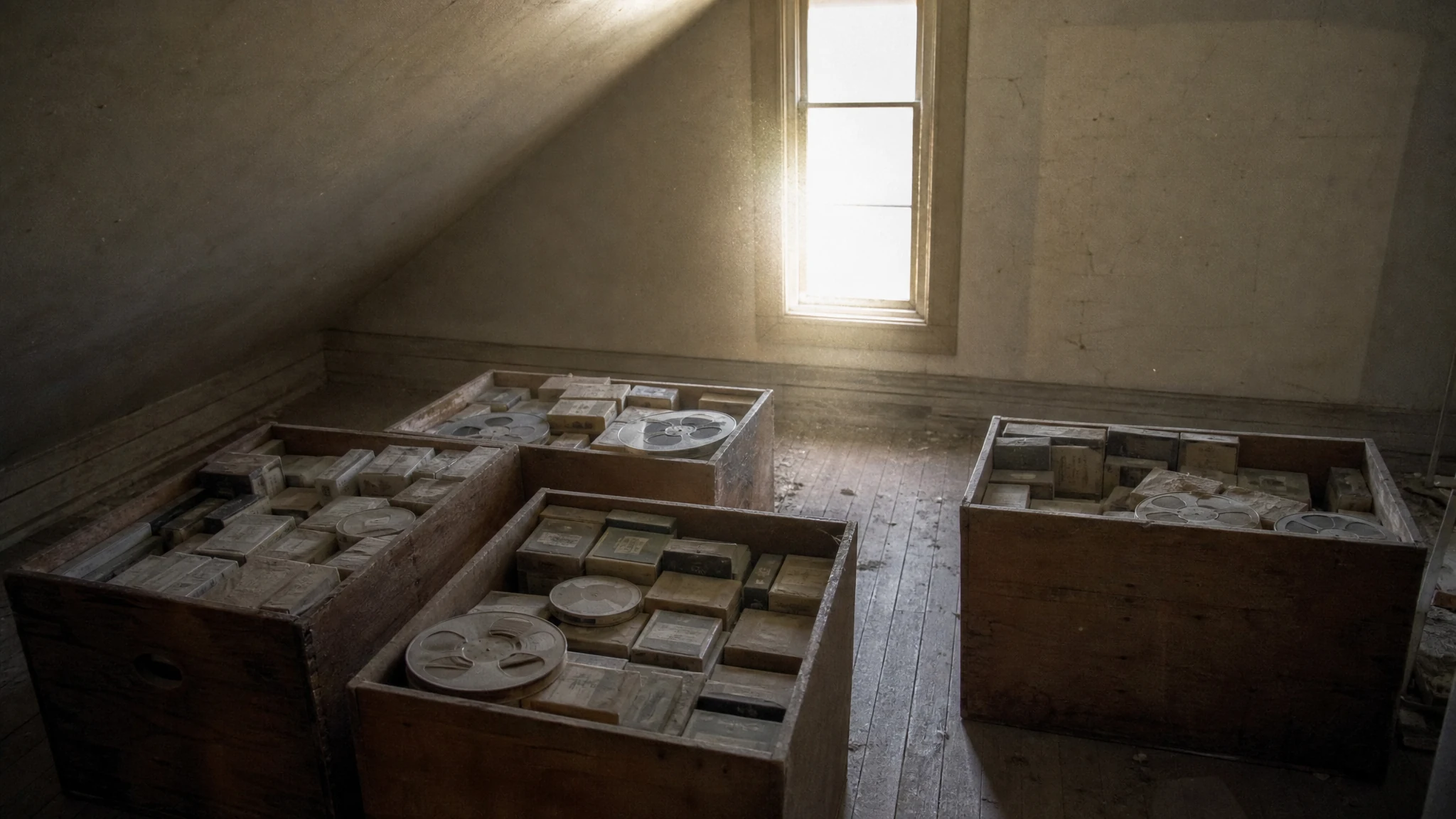
The tape outlived all of it. Thousands of unreleased recordings went into tea chests, were sold on after his death, sat in private hands for decades and were finally bought for digitising in 2020. Sessions are still turning up in there.
The decisions are still on sale
Read back the list of things he was criticised for. Compressing an instrument until it changes character, rather than only to stop it clipping. Letting a signal distort because the distortion suits the record. Building a room out of whatever tiled space is to hand, then treating that room as a colour instead of as the place the band happened to stand in. Recording in passes and accepting what the passes do to the sound. Every one of those is a product category now, and we make several of them.
I would rather not oversell the man. Plenty of the Holloway Road output is thin and hurried and not very good, he chased trends badly, and the secrecy that makes him interesting made him impossible to work with. Being first is not the same as being right. What holds up is the attitude underneath: he decided what the record should sound like, then did unreasonable things to the signal until it sounded like that, and he did not treat the objection "that is not how it is done" as information.
If you would rather try that than admire it, take a track you have been handling carefully and stop. Drive a valve compressor well past the setting your meters approve of. Send the vocal to a spring, not a tidy plate. Print it, live with it for a day, then decide whether to undo it. Demo versions cost nothing but the evening, and the worst outcome is finding out where your own limit sits.
Add a comment
You need to be logged in to add comments.