Music Theory
Tension and Release: Harmony Tricks Every Producer Should Steal


You know the moment a chorus is supposed to hit and it just… arrives. No lift, no relief, nothing earned. The parts are all there. The drums are loud, the vocal is up, the synth is fat. And it still feels flat. Nine times out of ten the problem isn't the sounds. It's that nothing was holding its breath before the drop, so there's no breath to let out.
That push and pull has a name in the theory books — tension and release — and here's the good news for anyone who arranges by dragging clips around a screen: you don't need to read a note to steal the moves. Producers have been doing this by ear for a hundred years. Below are the ones I lean on most. I'll name the move, tell you what it feels like, and leave the sheet music out of it.
Suspensions: the chord that refuses to sit still
Play a normal, happy chord and it feels settled. Now take the note that makes it sound "resolved" and shove it up a step so it clashes a little. Hold it there a beat longer than feels comfortable. Then let it fall back to where it wanted to go all along. That drop back is the release, and it's one of the most satisfying sounds in music. It works because you set the expectation up and then made the listener wait for it. Nothing new arrives at the resolution — the note just goes where the ear already sent it.
In a DAW this is stupidly easy. Take the top note of a pad chord, nudge it up one white key, let it ring, then draw in a MIDI note that slides it back down a step or two into the pad's home note. That's a suspension. You'll recognise it instantly — it's the sound at the start of a thousand worship songs, ballads, and film cues. The trick is the timing. Resolve too fast and nobody notices. Hold it, let the ear start to itch, then answer the itch.
The dominant: the chord that owes you a resolution
There's one chord in every key that acts like a stretched rubber band. It doesn't sound wrong, but it sounds unfinished, like a question left hanging. In plain terms: build a chord off the fifth note of your scale and make it a bit gritty, and your ear will beg to go back home to the root chord. That's the strongest pull in Western music, and it's basically free tension.
Where it matters for producers is the bar before a section change. Instead of just repeating your home chord into the chorus, park on that "question" chord for the last bar or two of the pre-chorus. Now the chorus isn't just a new section — it's an answer. The listener feels resolved before they can tell you why. Half the "how did they make the drop hit so hard" magic is just a well-placed unresolved chord sitting right before it.
Borrowing sadness: the minor-iv move
Here's a move you already know from a hundred sad-happy songs without knowing you know it. You're in a bright major key, everything's sunny, and then one chord goes quietly heartbroken for a bar before the song brightens back up. That bittersweet dip is usually a chord borrowed from the parallel minor — most often the "minor four." It is the same chord with one note lowered, which is why the dip reads as a shadow rather than a change of key.
You don't need the theory. The practical version: find the fourth chord in your progression (the one that already sounds a little hopeful), and lower its middle note by a half step so it turns melancholy. The Beatles did it constantly. Radiohead lives there. It's the sound of a memory. Drop it in on the last chord before a chorus repeats and the repeat lands with a lump in the throat instead of a shrug.
Pedal tones: hold the floor while everything above moves
Pick one bass note and refuse to let it change. Then move all your chords around on top of it. Because the chords no longer line up neatly with the bass, most of them now grind against it a little — and the tension builds and builds the longer you hold the note, because part of your brain is waiting for the bass to finally move and agree with the chords again. The further the chords wander from that held note, the harder the pull gets.
This is the classic build. A held sub or a droning low string under a rising chord sequence is why so many EDM and film builds feel like they're being winched upward. When the bass finally releases and lands on the "right" note at the drop, the relief is physical. Set it up in your DAW by muting the automation on your bass, letting it sit on the root for eight bars while the pads climb, then dropping it to the chorus root exactly on the one.
Withhold the root, then give it
Related trick, different flavour. The root note is the note that tells your ear "this is home, this is the key." So don't play it. Start your intro or your verse on any chord except the home one, and keep the true root out of the bass. The whole section floats, ungrounded, faintly anxious. Then when the chorus hits and the bass finally lands on the root, the ground appears under the listener's feet.
A lot of great intros do this. They dance around the home chord for sixteen bars and never actually plant it, so the first real chorus feels like a door opening. It costs you nothing but restraint.
Dissonance on purpose
Producers are trained to think clash equals mistake. Sometimes the clash is the point. A note that rubs against the chord — two notes a half step apart ringing together, a suspended pad that never resolves, a slightly detuned layer — creates unease, and unease is useful when a section is meant to feel unsettled or about to break. It also matters where you put it. A rub buried in a pad reads as colour; the same interval on a lead vocal or the top synth reads as a wrong note.
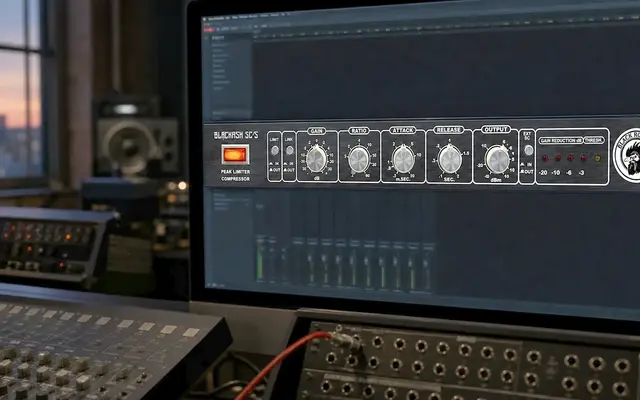
The rule of thumb I use: dissonance is spice, not the meal. A tense, grinding cluster in the bridge is gripping precisely because the rest of the song was consonant. If everything is dissonant, nothing is, and the ear just tunes out. And a lot of what we call "character" in a chord is really controlled harmonic grit — the reason a warm saturator like Magnetite can make an otherwise plain pad feel richer is that it's adding gentle overtones that lean into that same edge-of-tension territory.
How this changes the way you arrange
None of this is about being clever. It's about controlling when the listener relaxes and when they lean in. Most flat productions relax the listener the whole way through — every chord resolved, every bar settled — and then wonder why the big moment doesn't feel big. Tension is the setup. Release is the payoff. You can't have one without doing the other on purpose.
Try this on your next session. Take a track that isn't landing, find the bar right before your favourite section, and deliberately make it uncomfortable: hold a suspension, sit on the "question" chord, drop the bass out and float. Then let the section arrive clean. You'll hear the difference before the phrase is over, and you didn't read a single note to do it.


Add a comment
You need to be logged in to add comments.