Mixing Tips
My biggest mistakes in 20 years of audio


My biggest mistakes in 30 years of audio
Twenty years behind the console. Thousands of mixes. Hundreds of artists who trusted me with their vision. And for the first decade, I systematically burned myself out while delivering mediocre results because I completely misunderstood what this career demanded.
Thing is, I thought being a great engineer meant having the perfect template for everything.
Every vocal that walked through my door got identical treatment: same EQ curve, same compression settings, same reverb send. I had a "proven" drum bus chain and a "professional" mix bus setup. Templates that looked impressive to clients. Meters looked perfect, workflow was efficient, projects finished on time. Clients liked seeing the templates, which made it worse: the thing that reassured them was the same thing flattening their record.
The music sounded like everything else.
The template trap
When you rely on templates for everything, you stop listening to what each song needs. You become a technician following a recipe instead of an artist serving the music.
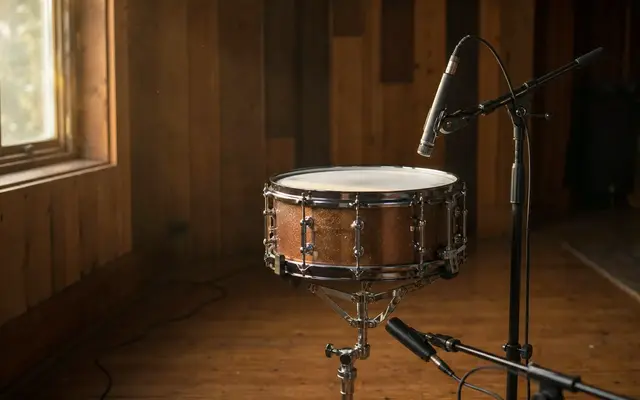
I learned this the hard way during a session with a folk artist in 2006. She brought in this haunting ballad — recorded with one microphone in her bedroom. My instinct? Load my acoustic template, apply my "warm vocal" preset, run it through my standard signal chain. The result was polished, professional, and completely soulless.
She listened back once. "It sounds like every other song on the radio. Where's the intimacy?"
Breaking free from the comfort zone
That question forced me to confront an uncomfortable truth: I'd stopped experimenting years ago. Templates felt safe. Efficient. Professional. But they were also creative death.
So I started forcing myself to try something new on every project — different compressor, unusual EQ move, effect I'd never touched before. The breakthrough came when I started treating each session as a learning opportunity rather than a production line. Instead of reaching for the VLA-2A Mark II because it was "my vocal compressor," I'd ask: what does this specific voice need?
Sometimes optical compression for warmth. Sometimes FET compression for attitude. Sometimes no compression at all.
This approach required slowing down, which initially felt like moving backward. But the results spoke for themselves. Songs started having their own sonic fingerprint. Artists began specifically requesting my services not because I was fast or cheap, but because their music sounded unique coming through my studio.
The one-new-thing rule
Force yourself to try one completely new technique, plugin, or approach on every project. It might not work, but the failures teach you as much as the successes.
The education that saved my career
My second revelation came from expanding my musical diet. For years, I'd been stuck in my genre bubble — mostly rock and pop because that's what paid bills. But my mixes lacked the dynamic range of great jazz records, the spatial depth of ambient music, the rhythmic complexity of electronic production.
I started dedicating two hours every morning to analyzing music from genres I'd never worked in. How did Rudy Van Gelder get that drum sound on Blue Note records? What made Aphex Twin's textures so compelling? Why did country vocals sit so perfectly without sounding processed? The point was never to copy those sounds. It was to be able to say why they worked in one plain sentence. Once you can name what a record is doing, you stop reaching for presets.
This listening education transformed my approach to everything. Studying dub reggae taught me about space and delay as compositional elements. Classical recordings showed me how to capture natural ambience without sacrificing clarity. Hip-hop production revealed creative approaches to compression and sampling that I'd never considered.
The KH-COMP1 became essential precisely because its versatility let me apply techniques borrowed from any genre — punchy attack settings perfect for electronic music, musical release curves ideal for jazz, transparent operation that worked for acoustic classical recordings.
Building bridges instead of walls
The third shift was hardest: viewing other engineers as colleagues rather than competition.
For years, I'd been secretive about techniques, protective of client relationships, suspicious of anyone else working in my market. This isolation was slowly killing my creativity and my mental health.
I started reaching out — first just responding to forum posts, then attending local audio meetups, eventually collaborating on projects. The impact was immediate and profound. Other engineers became sources of inspiration, sounding boards for difficult projects, and eventually genuine friends who understood the unique pressures of this work.
Collaboration taught me things no tutorial ever could. Working with engineers from different backgrounds showed me alternative approaches to common problems. Sharing resources and knowledge made everyone's work better. Most importantly, having a professional community provided support during the inevitable rough patches that come with any creative career.
The collaboration effect
Engineers who regularly share knowledge and collaborate produce more innovative work than those who work in isolation. Your "competitors" can become your greatest teachers and strongest supporters.
Learning to protect the work by protecting yourself
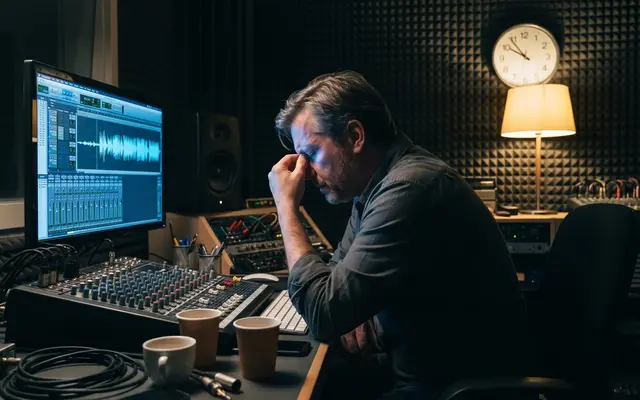
The most significant lesson came from nearly burning out completely in my 12th year. Taking every project that came through the door, working 16-hour days regularly, dealing with difficult clients because I thought that's what "professional" meant. Making money but losing my sanity and my passion for music.
Learning to say "no" felt impossible at first. What if I couldn't pay rent? What if word got around that I was difficult to work with?
But the alternative — continuing down a path toward complete burnout — was worse. I started setting boundaries: maximum session length, minimum turnaround times, clear expectations about revisions and scope creep. More importantly, I learned to identify toxic working relationships early and walk away from them.
That artist who screams at everyone in the room? That producer who demands impossible deadlines? That label that never pays on time? They're not worth your mental health, no matter how much they're offering.
The energy audit
Track which clients and projects energize you versus which ones drain you. If someone consistently makes the work miserable, they're not the right fit regardless of the money involved.
The body keeps the score
After spending my thirties hunched over a console for 12+ hours a day, my body started sending clear signals that this wasn't sustainable. Chronic back pain, carpal tunnel symptoms, hearing fatigue — all became serious problems. Here's what surprised me: taking care of my body dramatically improved the quality of my work.
I built physical activity into my daily routine: morning runs before sessions, yoga between long projects, regular breaks to stretch and move. This wasn't just about health maintenance; it was about staying sharp during long mixing sessions and maintaining the stamina needed for this demanding career.
Mental clarity that came from regular exercise translated directly to better decision-making in the studio. I could hear subtle details longer into sessions, make creative choices more confidently, maintain focus during the precise listening that great mixing requires.
Taking care of myself also meant I could take better care of my clients' music. When you're exhausted, stressed, and physically uncomfortable, you make compromises. You reach for familiar solutions instead of exploring what the song needs. You miss the subtle details that separate good mixes from great ones.
The sustainable creative life
After two decades, I've learned that longevity in this business isn't about having the most expensive gear or fastest workflow. It's about building a sustainable creative practice that can evolve and grow over time.
This means staying curious, maintaining relationships, setting boundaries, and taking care of the person behind the console.
The best engineers I know are lifelong learners who've figured out how to stay passionate without burning out. They experiment constantly but also know their limits. They're generous with knowledge but protective of their energy. They understand that serving the music sometimes means saying no to the money.
Every project's still a chance to discover something new — whether it's a technique borrowed from afrobeat, a collaboration with an engineer from a different background, or simply finding a new way to make a vocal sit perfectly in a mix. Now I approach each session with sustainability in mind though — for my career, my health, and my continued love of making music sound great.
Key lessons from 20 years behind the console:
- Ditch the templates and experiment with something new on every project. Your creativity depends on constant learning and risk-taking.
- Study music from genres you don't work in. Techniques that transform your mixing often come from unexpected sources.
- Build relationships with other engineers. Collaboration and knowledge-sharing make everyone's work better.
- Learn to say no to toxic clients and impossible demands. Protecting your mental health protects the quality of your work.
- Maintain your physical health through regular exercise and breaks. Your body supports everything else you do.

Add a comment
You need to be logged in to add comments.