Music Business
The Brutal Truth About Income in the Music Business


Let's just rip the band-aid off: most musicians actually make less money than the kid bagging groceries at your local supermarket. And unlike that kid, musicians often work 80-hour weeks, invest thousands in equipment, and deal with the soul-crushing reality that their "hobby" is somehow expected to pay rent. The difference nobody puts in the comparison is that the kid at the register gets paid for every hour on the clock. Rehearsing, booking, promoting, editing, chasing invoices and answering messages are all unpaid, and between them they eat most of the week.
Welcome to the music business, where passion is currency and exposure pays the bills. (Spoiler alert: it doesn't.)
But here's the thing — understanding the brutal economics of music isn't about crushing dreams or anything like that. It's about making informed decisions. Because once you know how the game is rigged, you can actually start playing it smarter.
The Streaming Mirage: Why Spotify Won't Save You
Ah, streaming. The great democratizer that was supposed to level the playing field and make every bedroom producer the next Billie Eilish. Except the math is honestly more depressing than a funeral march in D minor.
Here's the reality: Spotify pays between $0.003 and $0.005 per stream. Let's be generous and call it half a penny. To earn minimum wage in the US ($7.25/hour), you'd need roughly 1,450 streams per hour. That's about 3 million streams per month just to make what someone flipping burgers earns. And that per-stream figure is not a rate anyone promised you. It is what falls out at the end once the revenue pool has been divided, which is why it moves from month to month and from one country to the next. You cannot plan against it the way you can plan against a fee. And those streams have to keep arriving every month. A track that does its numbers in release week and then settles pays you like a lottery ticket rather than a wage, which is why catalogue depth ends up mattering more than any single song.
Reality Check
The top 1% of artists on Spotify generate over 90% of all streams. The bottom 90% of artists earn less than $1,000 per year from streaming. Yes, you read that right — less than a grand. That's not even enough to cover your monthly plugin subscriptions, honestly.
And this is where it gets really fun: even if you manage to rack up decent streaming numbers, you're still at the mercy of aggregators, record labels, and a payout system that makes casino odds look generous. Most independent artists see maybe 60-70% of those already microscopic payouts after everyone takes their cut.
The harsh truth? Streaming is basically marketing, not revenue. Treat it like a business card that plays music, not a paycheck.
Live Performance: The Double-Edged Sword
Live performance remains the closest thing to reliable income in music — assuming you can book gigs, travel without going broke, and don't mind playing to three drunk guys and a confused bartender on a Tuesday night in Des Moines.
The economics vary wildly based on your level. Local bar gigs might pay $100-500 per night (split among band members), while established acts can command thousands. But here's what they don't tell you about the live game: expenses pretty much eat everything.
Transportation, accommodation, equipment rental, sound engineers, marketing, insurance — the list goes on and on. Many touring acts operate at break-even or loss for years, treating tours as elaborate promotional campaigns rather than profit centers. And that's before COVID taught everyone that live music is basically a luxury item that disappears the moment society sneezes.
The 80/20 Rule
80% of live music revenue comes from 20% of venues and events. The trick isn't playing everywhere — it's identifying and cultivating relationships with that crucial 20%. Quality over quantity, always.
The smart play? Build a sustainable local scene first. Master your craft, perfect your live show, and become the act that venues actually want to book. Regional success beats national obscurity every time.
The Producer's Paradox: Skills vs. Rates
Music production offers more reliable income potential than performing — if you can navigate the race to the bottom that is modern production pricing. Everyone with a laptop and some cracked plugins thinks they're the next hit maker, which has driven rates into the ground faster than a poorly mixed kick drum.
Entry-level production work might pay $200-500 per song, while established producers can command $1,000-5,000+ per track. But here's the catch: the gap between amateur and professional has never been wider, yet the market doesn't always recognize the difference.
Your competition isn't just other producers — it's AI, sample packs, and the artist's cousin who "knows Pro Tools." The key to survival is specialization and demonstrable value. You need to develop a signature sound, master specific genres, or offer services that can't be replicated by someone following YouTube tutorials.
Investment Reality
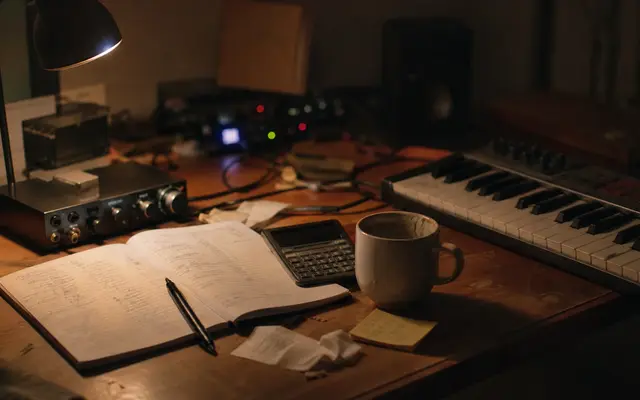
Professional-grade production setups cost $10,000-50,000+ when you factor in quality monitors, acoustic treatment, and plugins like VLA-2A for that smooth optical compression character. Most producers take 2-3 years just to recoup their initial equipment investment.
The producer's path requires patience and business acumen. You're not just making beats — you're managing client relationships, handling revisions, and often serving as therapist, technical support, and creative director all rolled into one.
The Hidden Revenue Streams Nobody Talks About
Here's where things get interesting. While everyone fights over streaming pennies and club gigs, smart musicians are building multiple revenue streams that actually scale.
Sync licensing remains one of the most lucrative opportunities. A single TV commercial placement can pay more than a million Spotify streams. Film, television, advertisements, and video games are hungry for music, and they actually pay decent rates — $500-50,000+ depending on the usage.
Teaching and education provide steady income while you build your career. Online lessons, courses, and workshops can generate $30-100+ per hour. Plus, teaching deepens your own musical understanding in ways that performing alone never will.
Custom work and commissions tap into markets most musicians completely ignore. Corporate jingles, podcast intros, wedding music, meditation tracks — these aren't glamorous, but they pay the bills and often have less competition than traditional music markets.
The Portfolio Approach
Successful music careers rarely depend on a single income source. Most working musicians combine 3-5 different revenue streams: maybe 40% live performance, 25% teaching, 20% session work, 10% streaming/sales, and 5% sync licensing. Diversification isn't just smart — it's survival.
Session work offers steady income for skilled musicians. Studio sessions, live backing tracks, and remote recording can pay $100-500+ per session. The catch? You need to be genuinely skilled, reliable, and easy to work with. Musical talent is just the entry fee — professionalism pays the bills.
The Business Side: Why Most Musicians Stay Broke
Here's the uncomfortable truth: most musicians fail not because they lack talent, but because they treat music like a hobby with professional expectations. The artists making money — even modest, sustainable livings — approach their careers like actual businesses.
This means budgets, contracts, marketing plans, and yes, boring stuff like tax planning and expense tracking. It means saying no to gigs that don't pay enough or venues that don't respect artists. It means pricing services based on value delivered, not what you think the market can bear.
The most successful musicians understand their numbers inside and out. They know exactly what it costs to produce a song, tour a region, or maintain their equipment. They track which activities generate the most revenue per hour invested. They plan for taxes, equipment replacement, and slow periods.
The 40% Rule
Set aside 40% of all music income immediately — 25% for taxes and 15% for equipment replacement and emergency expenses. This might seem excessive, but it prevents the feast-or-famine cycle that destroys most music careers. Financial stability actually enables creative freedom, not the other way around.
They also invest in quality tools that last. A plugin suite with character-rich processors like VLA-FET might cost more upfront than the free alternatives, but it delivers professional results that justify higher rates and attract better clients.
Most importantly, they separate their artistic identity from their business reality. You can love making music while acknowledging that making money from music requires strategy, patience, and often compromise. The artists who survive long-term embrace this duality instead of pretending it doesn't exist.
TL;DR - The Hard Truths About Music Income
- Streaming won't make you rich — treat it as marketing, not revenue. You need millions of streams to earn minimum wage.
- Live performance pays better but comes with massive hidden costs. Build local success before going national.
- Production work offers stability if you can differentiate yourself from bedroom producers and AI tools.
- Hidden revenue streams like sync licensing, teaching, and custom work often outpay traditional music income.
- Diversify everything — successful musicians combine 3-5 different income sources, not just one.
- Run it like a business — budget, track expenses, save for taxes, and invest in quality tools that justify higher rates.
The music business is brutal, unfair, and constantly changing. But it's not hopeless. The artists making sustainable livings aren't necessarily the most talented — they're the most strategic. They understand the game, play it smart, and never stop adapting.
Your talent got you in the door. Your business sense will keep you in the room.
Add a comment
You need to be logged in to add comments.